Hematite Meaning History and Characteristics
#Gemstone GuideDiscover the history, meaning, and characteristics of Hematite. Learn about its metallic grey appearance, iron-rich composition, traditional symbolism, and use in jewellery.
Hematite is a distinctive natural mineral admired for its metallic grey appearance and smooth polished finish. Used for thousands of years in jewellery, decorative objects, and pigments, Hematite remains one of the most recognisable stones used in gemstone bracelets and accessories.
Known for its sleek metallic lustre and durability, Hematite is a popular choice for both contemporary and classic jewellery. Whether appreciated for its natural beauty, geological origins, or traditional symbolism, Hematite continues to be a timeless addition to many jewellery collections.
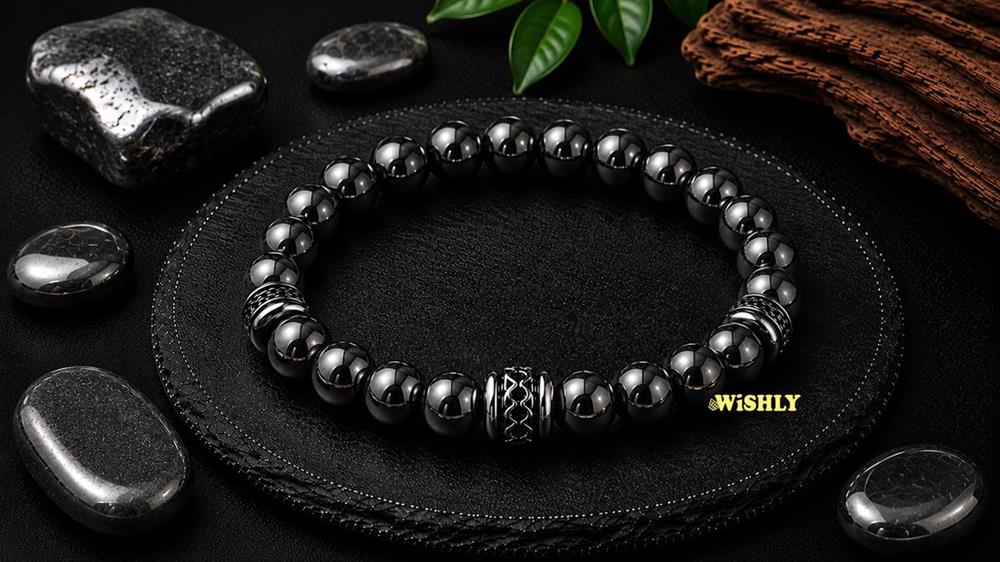
Table of Contents
1. What Is Hematite?
2. The History of Hematite
3. Hematite Colour and Appearance
4. Hematite in Jewellery
5. Traditional Symbolism of Hematite
6. Caring for Hematite Jewellery
7. Why Choose a Hematite Bracelet?
8. Explore Our Hematite Bracelets
9. Related Gemstone Guides
1. What Is Hematite?
Hematite is an iron oxide mineral composed primarily of iron and oxygen. It is one of the most abundant iron-bearing minerals found on Earth and is recognised for its metallic grey to black appearance when polished. Although polished Hematite appears silver-grey, the mineral naturally produces a reddish-brown streak when rubbed against an unglazed porcelain surface, a characteristic used to identify genuine Hematite. Major sources of Hematite include Brazil, Australia, South Africa, Canada, and the United States. Its high density and ability to achieve a brilliant polish make Hematite well suited for jewellery.2. The History of Hematite
Hematite has played an important role throughout human history. Ancient civilizations used Hematite as a source of red pigment for cave paintings, pottery, and ceremonial artwork. It was also carved into jewellery, seals, and ornamental objects by the Egyptians, Greeks, and Romans. As techniques for polishing gemstones developed, Hematite became increasingly popular in jewellery due to its distinctive metallic appearance and elegant finish. Today, it remains a favourite material for bracelets and other accessories.3. Hematite Colour and Appearance
The defining feature of Hematite is its metallic grey colour and reflective surface. Common characteristics include:- Metallic silver-grey to black colour
- Smooth polished finish
- High metallic lustre
- Opaque appearance
- Naturally heavy feel
4. Hematite in Jewellery
Hematite is widely used in jewellery because of its durability and contemporary appearance. Popular jewellery types include:- Gemstone bracelets
- Beaded bracelets
- Necklaces
- Rings
- Earrings
- Pendants
5. Traditional Symbolism of Hematite
Throughout history, many cultures have associated Hematite with various symbolic meanings. Traditionally, Hematite has been linked with:- Strength
- Stability
- Courage
- Confidence
- Grounding
6. Caring for Hematite Jewellery
Proper care can help preserve the appearance of Hematite jewellery. Some simple care tips include:- Avoid harsh chemicals and abrasive cleaners.
- Remove jewellery before swimming or strenuous physical activities.
- Store separately from harder gemstones to reduce scratches.
- Clean gently using a soft, slightly damp cloth and dry thoroughly after cleaning.