Lava Stone Meaning History and Characteristics
#Gemstone GuideDiscover the history, meaning, and characteristics of Lava Stone. Learn about its volcanic origins, porous texture, traditional symbolism, and use in jewellery.
Lava Stone is a unique natural material formed from volcanic activity deep within the Earth. Recognised for its porous texture and matte appearance, Lava Stone has become a popular choice for jewellery, decorative items, and gemstone bracelets.
Its lightweight feel, distinctive surface, and natural origins make it one of the most recognisable stones used in bracelet designs today. Whether appreciated for its appearance, geological history, or traditional symbolism, Lava Stone continues to be a favourite among gemstone enthusiasts.
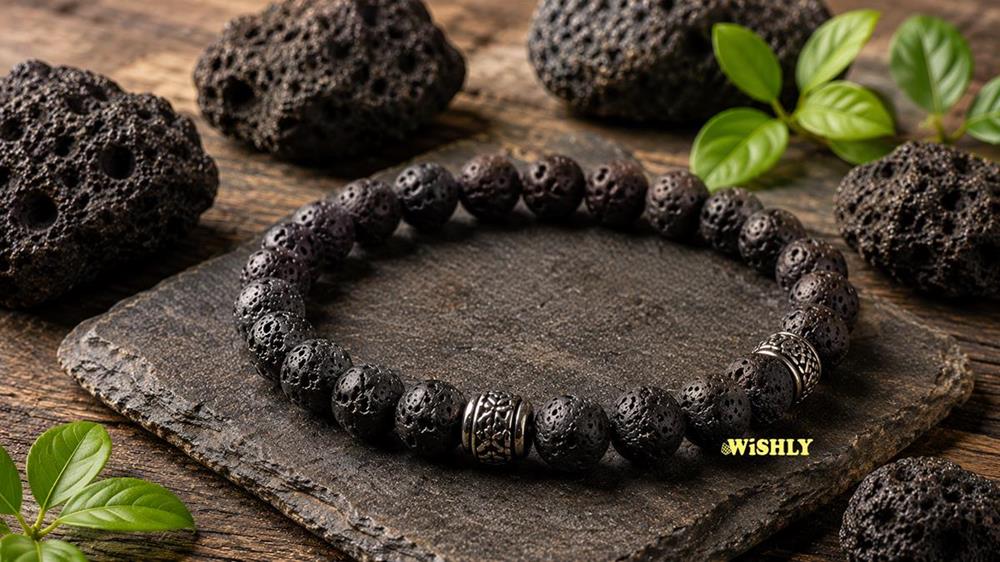
Table of Contents
1. What Is Lava Stone?
2. The History of Lava Stone
3. Lava Stone Colour and Appearance
4. Lava Stone in Jewellery
5. Traditional Symbolism of Lava Stone
6. Caring for Lava Stone Jewellery
7. Why Choose a Lava Stone Bracelet?
8. Explore Our Lava Stone Bracelets
9. Related Gemstone Guides
1. What Is Lava Stone?
Lava Stone, also known as volcanic rock or basalt, is formed when molten lava from volcanic eruptions cools and solidifies. As the lava cools, gases trapped within the molten rock create small holes and pores throughout the stone. This process gives Lava Stone its characteristic textured appearance and lightweight feel. Most Lava Stone used in jewellery is black or dark grey, although variations in colour can occur depending on mineral content and formation conditions. Because it originates from volcanic activity, every piece of Lava Stone carries a unique natural texture and appearance.2. The History of Lava Stone
Lava Stone has been used by various cultures for centuries due to its availability, durability, and connection to volcanic landscapes. Ancient civilizations living near volcanic regions often used volcanic rock for tools, construction materials, carvings, and decorative objects. Over time, Lava Stone also became incorporated into jewellery and personal accessories. Today, Lava Stone is widely used in modern jewellery design, particularly in beaded bracelets where its distinctive matte finish provides a natural and contemporary look.3. Lava Stone Colour and Appearance
The most distinctive feature of Lava Stone is its porous surface texture. Common characteristics include:- Matte finish
- Natural pores and cavities
- Lightweight feel
- Dark black or charcoal grey colour
- Unique volcanic texture
4. Lava Stone in Jewellery
Lava Stone is widely used in jewellery because of its durability, lightweight nature, and distinctive appearance.- Gemstone bracelets
- Beaded bracelets
- Necklaces
- Earrings
- Pendants
5. Traditional Symbolism of Lava Stone
Throughout history, various traditions have associated Lava Stone with the powerful natural forces that create it. Traditionally, Lava Stone has been linked with:- Strength
- Resilience
- Grounding
- Stability
- Transformation
6. Caring for Lava Stone Jewellery
Proper care can help preserve the appearance of Lava Stone jewellery. Some simple care tips include:- Avoid prolonged exposure to harsh chemicals.
- Remove jewellery before heavy physical activities.
- Store separately to reduce unnecessary wear.
- Clean gently using warm water and a soft cloth.
- Allow the stone to dry completely before storage.