Understanding Why Children Chew on Clothing
#Sensory Chew GuideLearn why children chew on clothing, including common reasons such as oral sensory seeking, habit and concentration. Discover practical alternatives, when to seek professional advice, and how sensory chew necklaces may provide a safer option than chewing on clothes.
If your child constantly chews on their shirt collar, sleeves, hoodie strings or school uniform, you're not alone. Many parents notice clothing chewing at some stage of childhood and wonder whether it's simply a habit or something more.
Children chew on clothing for many different reasons. For some, it's a temporary behaviour that comes and goes. Others may chew because they enjoy the sensation, are concentrating on a task, or naturally seek oral sensory input.
In this guide, we'll explore why children chew on clothing, when it's considered common, practical ways to support the behaviour, and when it may be worth seeking professional advice.
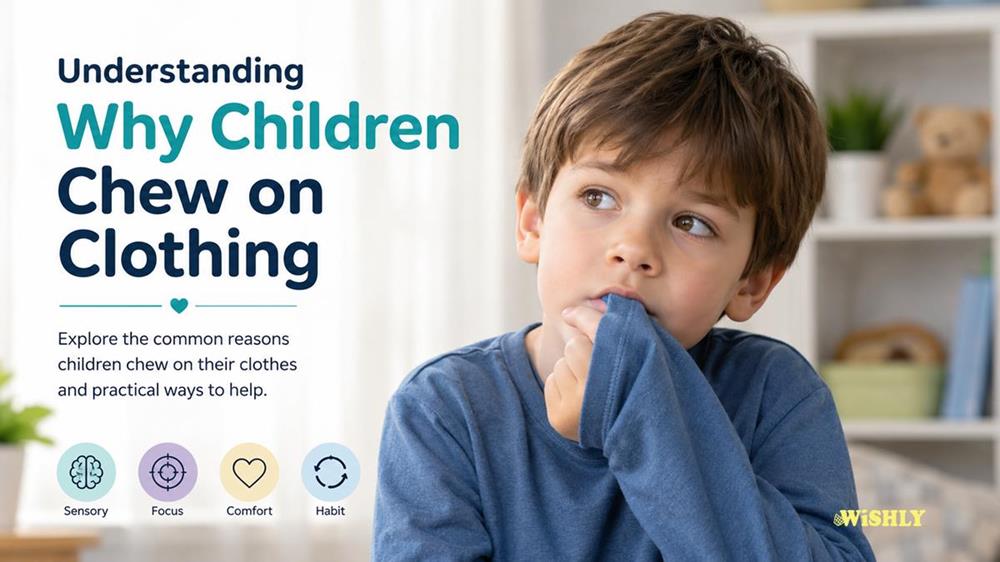
Table of Contents
1. Is It Normal for Children to Chew on Clothing?
2. Why Do Children Chew on Their Clothes?
3. What Types of Clothing Do Children Commonly Chew?
4. Why Clothing Isn't an Ideal Chewing Option
5. Practical Alternatives to Chewing Clothing
6. How to Support Your Child
7. When Might It Be Helpful to Seek Professional Advice?
8. Find the Right Sensory Chew Necklace
9. Frequently Asked Questions
1. Is It Normal for Children to Chew on Clothing?
Yes—chewing on clothing can be a common behaviour during childhood. Young children naturally explore the world through their mouths during infancy and toddlerhood. As they grow older, some children continue to enjoy chewing certain objects, including shirt collars, jumper sleeves or hoodie drawstrings. For many children, clothing chewing is occasional and decreases over time. Others may continue the behaviour more frequently because of their individual sensory preferences or habits. The important thing is to observe how often it happens, what your child chews, and whether it causes any problems. Related Guide: Different Types of Chewers Explained2. Why Do Children Chew on Their Clothes?
There isn't a single reason why children chew on clothing. Different children may do it for different reasons. Some common explanations include:Oral sensory preferences
Some children naturally enjoy the feeling of pressure and movement through their mouth and jaw. Chewing provides oral sensory input that they find satisfying. Related Guide: Understanding Oral Sensory SeekingHabit
Sometimes chewing simply becomes an unconscious habit. A child may begin chewing a sleeve during one activity and continue doing it without realising.Concentration
Some children chew while:- Reading
- Drawing
- Completing homework
- Watching television
- Playing games
Comfort
For some children, chewing can become part of their daily routine or a familiar behaviour they naturally return to throughout the day.Boredom
Children may chew clothing during quiet moments or when they don't have another activity occupying their hands or mouth.3. What Types of Clothing Do Children Commonly Chew?
Parents often notice chewing on:- Shirt collars
- School uniform collars
- Sleeves
- Hoodie drawstrings
- Jacket cuffs
- Zipper pulls
- Jumper sleeves
- Blanket corners
- Soft fabric labels
4. Why Clothing Isn't an Ideal Chewing Option
Although clothing is convenient and always available, it isn't designed for repeated chewing. Frequent chewing may lead to:- Damaged clothing
- Wet collars or sleeves
- Frayed fabric
- Stretched material
- Increased washing
- Exposure to dirt or germs collected on clothing
5. Practical Alternatives to Chewing Clothing
Rather than simply asking a child to stop chewing, it can be helpful to provide an appropriate alternative. Options may include:Sensory chew necklaces
Wearable silicone pendants designed specifically for chewing. Unlike clothing, they're made from durable materials intended for repeated oral use. Related Guide: Understanding Sensory Chew NecklacesChew pencil toppers
Useful for children who mainly chew pencils during schoolwork.Sugar-free chewing gum
Where age-appropriate and permitted.Crunchy or chewy snacks
Some families find that offering foods with different textures during snack time provides another way to explore oral sensations.Oral sensory activities
Activities such as blowing bubbles, drinking through a straw or using whistles can also provide oral sensory experiences.6. How to Support Your Child
Every child is different, so there's no one-size-fits-all approach. Some practical strategies include:- Observe when the chewing happens.
- Notice which items are being chewed.
- Offer an appropriate alternative.
- Keep chewable items easily accessible if your child prefers them.
- Avoid punishment for a behaviour that may be unconscious.
- Talk with your child if they're old enough to explain what they're experiencing.
7. When Might It Be Helpful to Seek Professional Advice?
Occasional clothing chewing is common and doesn't necessarily indicate a problem. However, consider speaking with a qualified healthcare professional if the behaviour:- Causes injury to your child's mouth or teeth
- Involves chewing unsafe objects
- Persists despite trying appropriate alternatives
- Interferes with school or everyday activities
- Is accompanied by other concerns about your child's development or wellbeing
8. Find the Right Sensory Chew Necklace
Choosing the right sensory chew necklace is a personal decision that depends on factors such as chewing strength, preferred shape, texture, and everyday lifestyle. Taking the time to understand these differences can help you select a chew necklace that is both comfortable and suitable for your individual needs. If you're ready to explore your options, browse our collection of sensory chew necklaces featuring a variety of shapes, colours, textures, and firmness levels. Whether you're looking for a discreet everyday pendant or a more durable option for stronger chewers, you'll find designs to suit a wide range of ages and preferences. Browse Our Chew Necklaces9. Frequently Asked Questions
Why does my child chew on their shirt?
Children may chew on shirts for many different reasons, including habit, concentration, comfort or because they naturally enjoy oral sensory input.
Is chewing clothes a sign of oral sensory seeking?
It can be, but not always. Some children chew clothing out of habit or because they enjoy the texture. Others may seek oral sensory input more frequently.
Should I stop my child from chewing on clothing?
Rather than simply discouraging the behaviour, it may be more helpful to understand why it's happening and provide a suitable alternative where appropriate.
Are sensory chew necklaces better than chewing clothes?
Sensory chew necklaces are designed specifically for repeated chewing and may provide a more appropriate alternative than clothing for some children.
What if my child only chews at school?
Some children chew more during activities that involve reading, writing or concentrating. Observing when the behaviour occurs can help identify patterns.
When should I be concerned about clothing chewing?
If the behaviour causes injury, involves unsafe objects, interferes with daily life or is accompanied by other concerns, consider discussing it with a healthcare professional.