Understanding Oral Sensory Seeking
#Sensory Chew GuideLearn what oral sensory seeking is, common signs, why some people seek oral sensory input, and practical strategies including sensory chew necklaces and other oral sensory tools.
Have you ever noticed a child constantly chewing on their shirt collar, hoodie strings, pencils, or fingernails? Or perhaps you've seen an adult absent-mindedly chewing on a pen while working?
These behaviours may be examples of oral sensory seeking—a natural preference for receiving sensory input through the mouth and jaw. While many people occasionally chew on objects out of habit or concentration, some individuals seek oral sensory input more frequently as part of their everyday sensory preferences.
In this guide, we'll explain what oral sensory seeking is, common signs to look for, possible reasons it occurs, and practical ways to support these sensory needs safely.
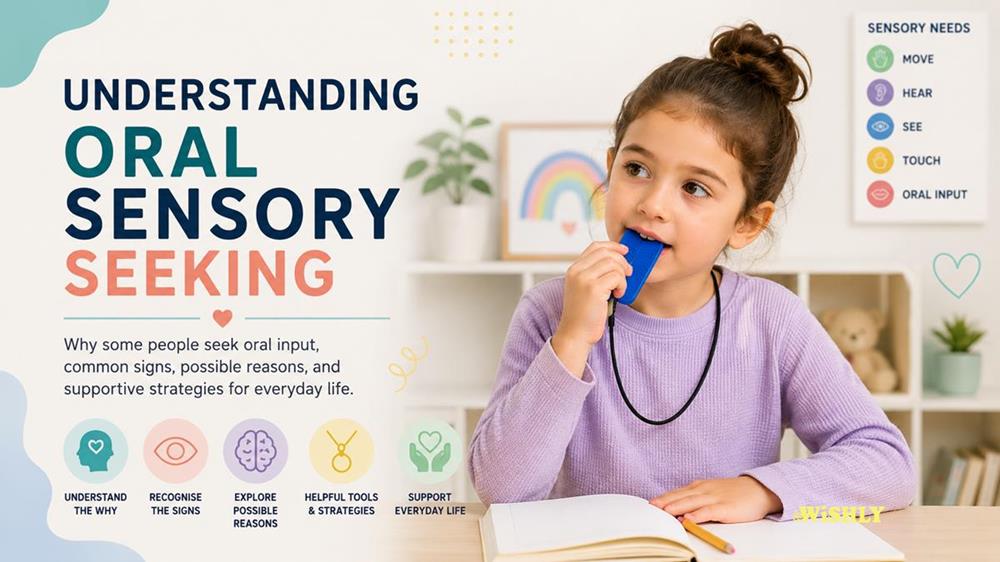
Table of Contents
1. What Is Oral Sensory Seeking?
2. What Does Oral Sensory Seeking Look Like?
3. Who Experiences Oral Sensory Seeking?
4. Why Do Some People Seek Oral Sensory Input?
5. Common Oral Sensory Activities
6. Oral Sensory Tools
7. Supporting Someone with Oral Sensory Seeking
8. When Should You Seek Professional Advice?
9. Find the Right Sensory Chew Necklace
10. Frequently Asked Questions
1. What Is Oral Sensory Seeking?
Oral sensory seeking refers to a preference for receiving sensory input through the mouth, lips, tongue, teeth, and jaw. People who are oral sensory seekers often enjoy activities that involve chewing, biting, sucking, blowing, or exploring different textures with their mouths. The mouth contains a large number of sensory receptors, making it one of the body's richest sources of tactile and pressure feedback. For some people, this type of sensory input simply feels satisfying or comforting. It's important to remember that oral sensory seeking exists on a spectrum. Some people rarely seek oral input, while others do so more often as part of their natural sensory preferences.2. What Does Oral Sensory Seeking Look Like?
Oral sensory seeking can appear in many different ways, and it doesn't look the same for everyone. Some common examples include:- Chewing shirt collars or sleeves
- Biting hoodie drawstrings
- Chewing pencils or pens
- Biting fingernails
- Chewing bottle lids or straws
- Enjoying chewy or crunchy foods
- Frequently placing objects in the mouth
- Preferring gum or chewable items
3. Who Experiences Oral Sensory Seeking?
Oral sensory seeking isn't limited to one age group.Babies and Toddlers
Exploring the world with the mouth is a normal part of early development. Babies naturally mouth toys and other safe objects as they learn about different textures and shapes.Children
Some children continue to enjoy oral sensory activities beyond the toddler years and may frequently chew on clothing, school supplies, or other objects.Teenagers
Teenagers may chew pens, hoodie strings, or gum while studying or concentrating.Adults
Adults may notice themselves chewing pens, fingernails, drinking straws, or gum during work, reading, or periods of deep concentration.4. Why Do Some People Seek Oral Sensory Input?
There isn't a single reason why someone may seek oral sensory input. Every individual is different, and oral sensory preferences can be influenced by many factors. Some people simply enjoy the feeling of chewing or pressure through the jaw, while others may seek oral input during activities that require focus or concentration. Oral sensory seeking may also be part of broader sensory preferences. Some people enjoy tactile input, movement, deep pressure, or other forms of sensory feedback alongside oral input. Rather than assuming there's one explanation, it's helpful to recognise that sensory preferences vary naturally from person to person.5. Common Oral Sensory Activities
Chewing is only one form of oral sensory input. Other activities include:- Blowing bubbles
- Drinking through straws
- Whistling
- Using whistles or kazoos
- Eating chewy foods
- Crunchy snacks
- Sucking thick smoothies through a straw
- Drinking from sports bottles
- Bubble blowing activities
6. Oral Sensory Tools
When someone frequently chews on clothing or everyday objects, purpose-designed oral sensory tools can provide a more suitable alternative. Examples include:Sensory Chew Necklaces
Wearable silicone pendants designed specifically for chewing. Related Guide: Understanding Sensory Chew NecklacesChew Bracelets
Chewable wrist-worn alternatives.Pencil Toppers
Designed for people who frequently chew pencils.Handheld Chew Tools
Larger chewable devices available in different shapes and firmness levels. The most suitable option depends on the individual's preferences and intended use.7. Supporting Someone with Oral Sensory Seeking
Supporting oral sensory preferences often begins with understanding the person's individual needs. Helpful approaches may include:- Providing appropriate chewable alternatives
- Offering different textures to explore
- Keeping oral sensory tools easily accessible
- Encouraging regular cleaning of reusable chew products
- Replacing worn or damaged chew tools
8. When Should You Seek Professional Advice?
Occasional chewing or oral exploration is common and doesn't necessarily indicate a problem. However, if oral sensory behaviours are:- Causing injury
- Interfering with daily activities
- Involving unsafe or harmful objects
- Becoming difficult to manage
9. Find the Right Sensory Chew Necklace
Choosing the right sensory chew necklace is a personal decision that depends on factors such as chewing strength, preferred shape, texture, and everyday lifestyle. Taking the time to understand these differences can help you select a chew necklace that is both comfortable and suitable for your individual needs. If you're ready to explore your options, browse our collection of sensory chew necklaces featuring a variety of shapes, colours, textures, and firmness levels. Whether you're looking for a discreet everyday pendant or a more durable option for stronger chewers, you'll find designs to suit a wide range of ages and preferences. Browse Our Chew Necklaces10. Frequently Asked Questions
What is oral sensory seeking?
Oral sensory seeking is a preference for receiving sensory input through activities involving the mouth and jaw, such as chewing, sucking, biting, or blowing.
Is oral sensory seeking normal?
Many forms of oral sensory exploration and chewing are a normal part of development and everyday behaviour. The frequency and type of sensory seeking vary between individuals.
Is chewing always a sign of oral sensory seeking?
No. People chew for many different reasons, including habit, concentration, hunger, or enjoyment of certain textures.
Can adults experience oral sensory seeking?
Yes. Oral sensory preferences can occur at any age.
What are oral sensory tools?
Oral sensory tools are products designed to provide appropriate oral sensory input. Examples include chew necklaces, chew bracelets, pencil toppers, and handheld chew tools.
Are sensory chew necklaces the only option?
No. While they're a popular choice, there are many different oral sensory activities and tools depending on an individual's preferences.
What materials are sensory chew necklaces made from?
Most quality chew necklaces are made from food-grade silicone that's designed for repeated chewing.
How do I know if a chew necklace is right for me or my child?
Our Choosing the Right Sensory Chew Necklace guide explains the factors to consider when selecting a chew tool.